

Recent tension and violence within our country can be triggering for some. Veterans who have fought for our country may experience PTSD/trauma when they hear the sound of a firework or hear about an active shooter on the news. Helping those who have gone through such traumatic experiences can make a big difference and make them feel more comfortable in situations.
Note the Common Signs of PTSD
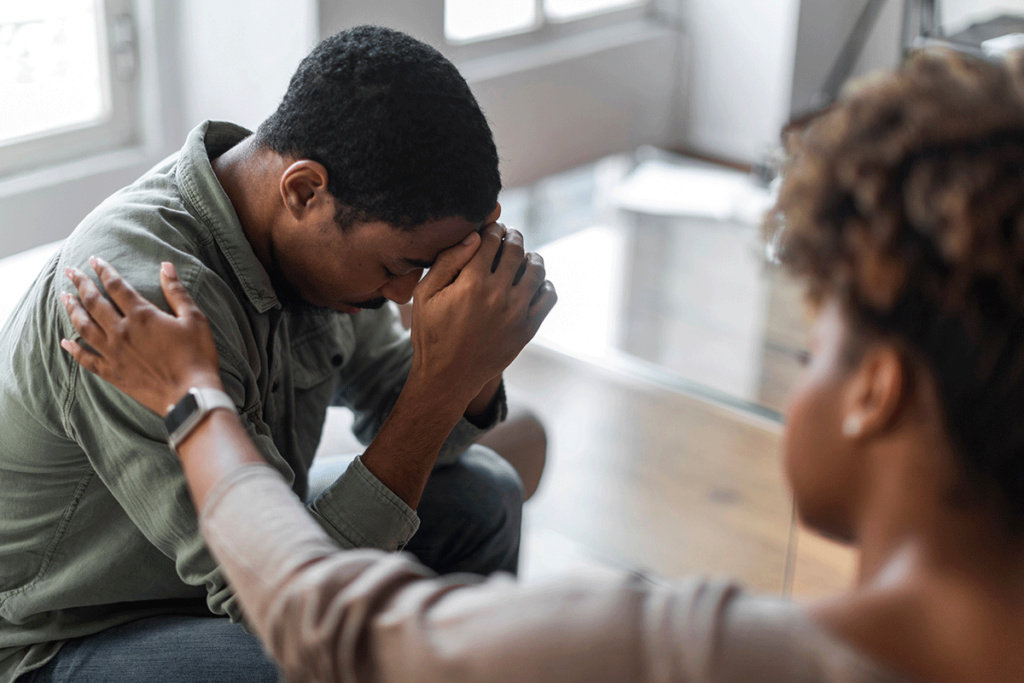
To help those who are going through certain experiences in their life, it’s important to take note of the common signs of PTSD and trauma. Juniper Center clinician Lynn Levin states that “Veterans who have experienced war firsthand frequently have flashbacks, or the sound and the flashes of lights may trigger flashbacks. Many become agitated, depressed, experience survivor guilt, etc. Their behaviors may become erratic, depending on the individual.” Take note if someone shows any reactions to triggering events if you do, take a minute to stop and figure out a way to help them feel more comfortable and not so afraid of their surroundings.
Learn Common Coping Mechanisms

It’s important to remember that no one has to face their daily struggles alone and that having a strong support system can impact someone’s overall mood to help them feel more comfortable and right at home. When a person does undergo a period where they start to feel uncomfortable, knowing what to do to help cope with their PTSD can make a difference. Some Juniper Center clinicians recommend “any grounding techniques like the 54321 technique (5 things you can see, four things you can touch, three things you can hear, two things you can smell, one thing you can taste) which can be used in any space to bring someone back to the present.” Reminding them that they are in the present moment can remind them how they are surrounded by people who care so much about them and help them be in a calmer state of mind. Lynn Levin also mentions a coping mechanism that may be simple yet it is truly effective. “Encouraging them to stay indoors and wear noise-blocking headphones may be wise.”
Listen to What Veterans Have to Say
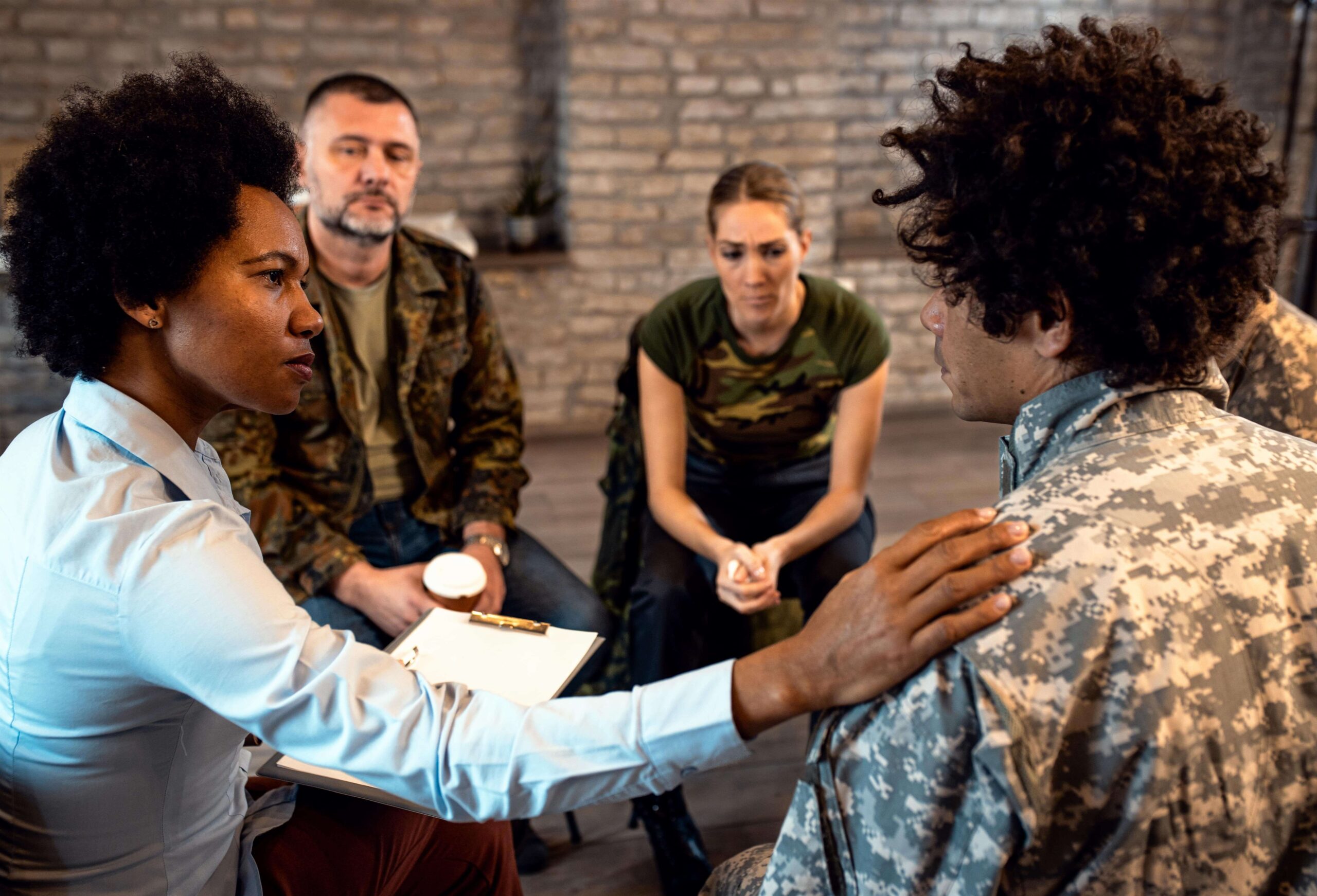
It’s never a good thing to assume how someone is feeling based on one’s knowledge because their assumptions are wrong and someone may become offended by those assumptions. Having a conversation with a victim of PTSD/trauma can open one’s eyes and help others understand their side of the story to get a better sense of what it must be like to undergo said symptoms every day. One Juniper Center clinician comments “To understand a Veteran’s trauma or just another person’s trauma it is important to listen, empathize, and be non-judgmental even if you may not have similar lived experience since not only can that build understanding but it can also broaden your perspective.”
You Don’t Have to Face It Alone

The Juniper Center is a great resource for those who may need help navigating their daily struggles with PTSD and trauma. Please feel free to give us a call at 847-759-9110, extension #2, or visit our website at www.thejunipercenter.com. We are here for you!