

It’s that time of year again—students across the country are heading back to school, from first-time kindergarteners to college seniors. Along with the excitement comes a mix of anticipation and nerves for both kids and parents. Even returning students can feel the pressure of moving up a grade. To help ease the transition, families can keep a few simple strategies in mind as they dive into classes, activities, and practices. We recently spoke with Dr. Kate Odom, Psy.D., a clinical psychologist and the brains behind Odom Psychology and Counseling, who shared some of the best ways families can prepare for a smooth and successful school year.
It’s All About Validation

Starting a new school year often stirs up big emotions, but many students hesitate to share how they feel—worrying they might be the only ones experiencing fear, excitement, or nerves. In reality, these feelings are universal. Kate Odom explains that validation is key: it means showing children that their emotions and behaviors make sense, and that parents understand why they’re feeling the way they do. Parents can draw on their own school experiences to normalize these emotions, even sharing stories to reassure their kids that they’re not alone. Kate suggests an approach she calls Validation + Expectation: acknowledge the feeling while setting a clear next step. For example, “It’s scary not knowing if you’ll have friends in your class, and it’s important to get to school on time so you don’t feel worse walking in late,” or “I understand you don’t feel like going—it’s tough to adjust to change. Let’s get everything ready tonight so tomorrow feels less stressful.” By combining empathy with structure, parents can walk alongside their children and help ensure the school year starts on a positive note.
Coming Up with A Daily Routine
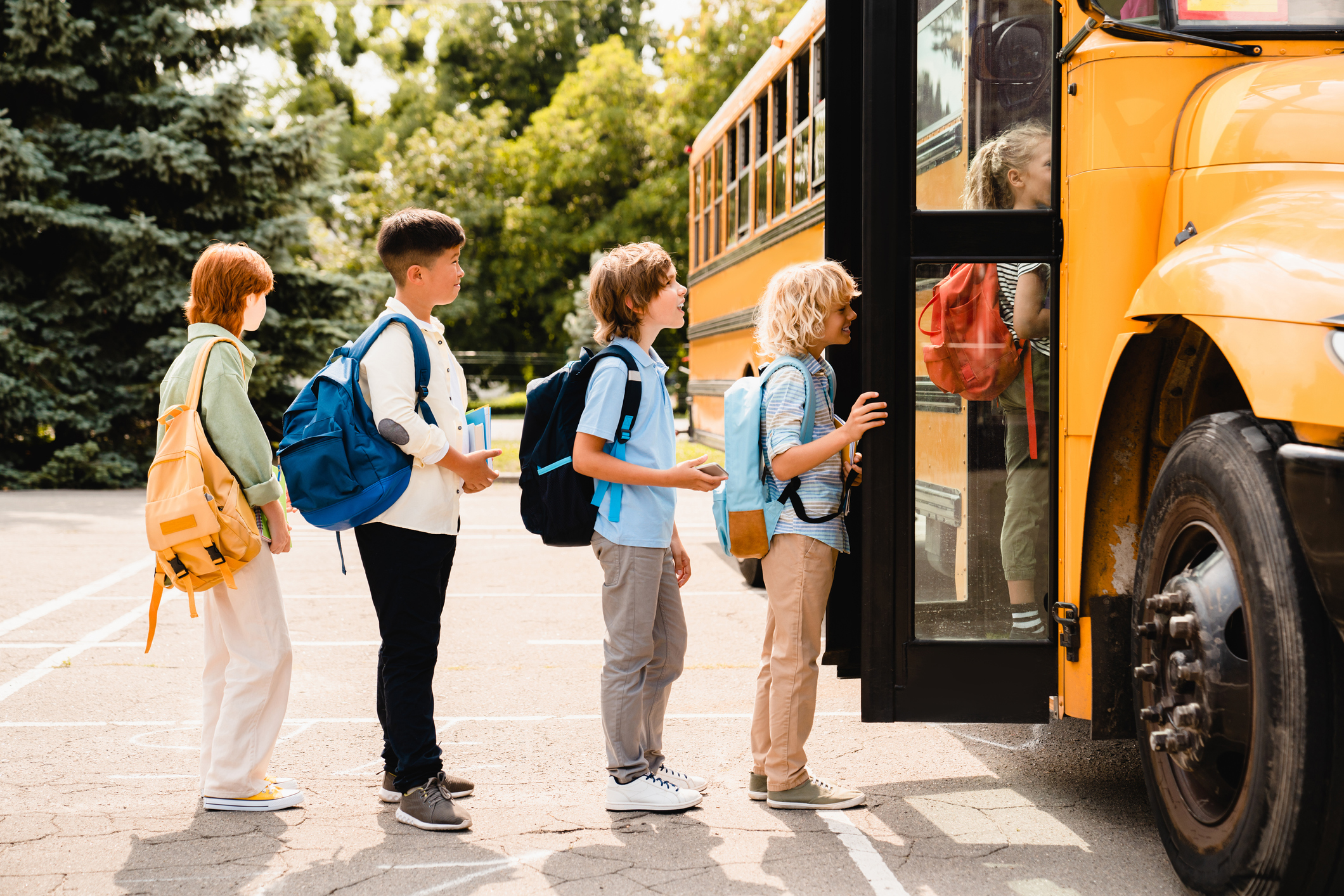
Transitioning from the laid-back pace of summer to the structured routine of the school year can be challenging, but creating a family schedule helps make the shift smoother. The night before the first day, parents and kids can run through a simple checklist: backpacks packed, lunches prepared, and alarms set so no one misses the bus or carpool. Kate Odom also recommends making this a nightly habit: reviewing the next day’s schedule over dinner. Talking through supplies, carpools, meals, and after-school activities not only keeps the household organized but also reduces the anxiety that comes with uncertainty. Planning ahead together helps families feel prepared and confident for whatever the school day brings. It can also help teach and practice executive functioning skills to both kids and parents alike.
Teachers and Counselors Can Help, Too

It’s not just parents who help students adjust to a new school year—teachers and counselors play a vital role, too. Beyond planning lessons, they can support students’ emotional well-being with simple check-ins and encouragement. Kate Odom suggests strategies like informal greetings, visual reminders of routines, and small check-ins to ease students into the day. She also recommends end-of-day reviews and visual checklists to help students remember homework, supplies, and even items like water bottles or jackets. These small but consistent supports can make a big difference, helping students feel prepared, supported, and ready to take on the school day.
Incorporate Mental Check-Ins at Dinner

After a busy day, family dinner is the perfect time to reconnect. Beyond simply asking how the day went, parents can help by normalizing their children’s experiences and emotions. Kate Odom suggests parents share their own feelings—such as, “I’m exhausted after the full day I had. I bet you are too,” or “I just want a snack and some quiet after being around people all day.” She also recommends using “mind reading” to validate, like saying, “I bet you’re glad to be home and able to relax before homework or activities.” These small acknowledgments reassure children that what they’re feeling is normal. Dinner conversations can then evolve into opportunities to share coping strategies, encourage, and remind everyone that the family is a strong support system. Building this into an “after-school” routine gives everyone space to express themselves and feel less stressed.
It’s in moments like these that families are reminded they’re not alone in adjusting to the new school year.
At The Juniper Center, we’re here to provide resources for both students and parents to share their thoughts, manage stress, and navigate challenges together. Our clinicians are ready to help—call us at 847-759-9110, ext. 2 or visit thejunipercenter.com to learn more.
We’d also like to thank Kate Odom for contributing to this month’s blog. Kate offers two 12-week programs for teens and young adults who are struggling with big emotions and difficult situations. Using a dialectical behavioral therapy (DBT) framework, she helps teens build skills in emotional regulation and distress tolerance. To learn more about Kate and her programs, visit Odom Psychology.